
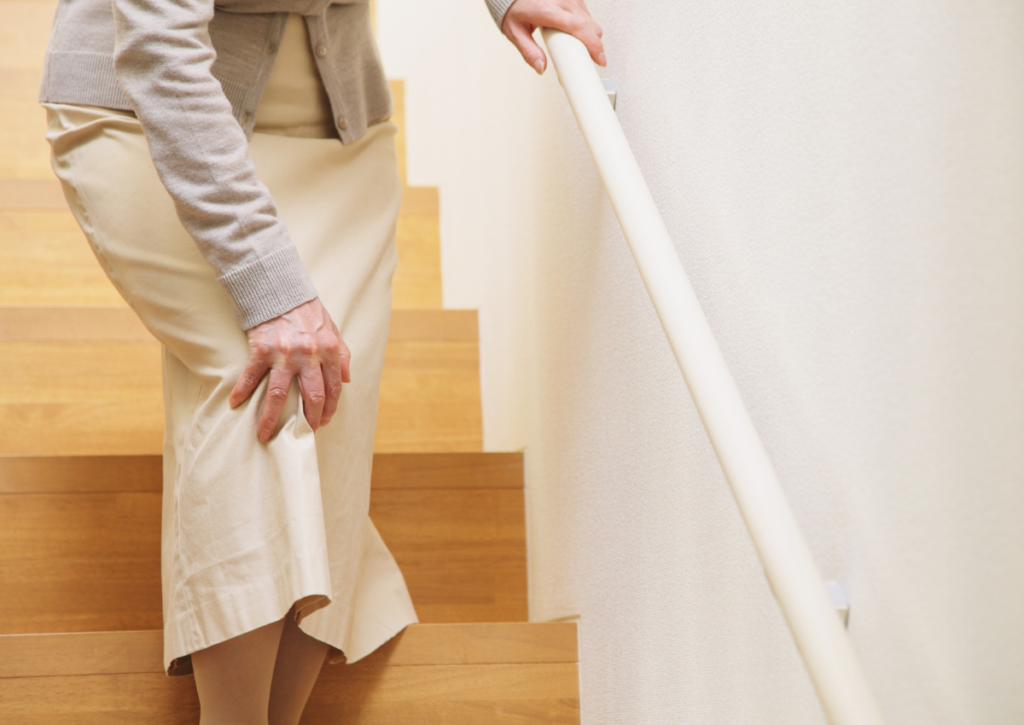
Your knee hurts when you climb stairs. It aches when you stand up from a chair. Walking to the market feels like a task you want to avoid. Maybe it even wakes you up at night. If any of this sounds familiar, you are dealing with a problem that affects lakhs of people in Indore every year – and the solution is probably not what your medicine cabinet has been offering you.
Most people with knee pain in Indore follow a predictable cycle. They take painkillers for a few days. The pain eases. They stop the medicine. The pain returns – sometimes worse. After a few rounds of this, someone suggests an X-ray or MRI, and suddenly words like “arthritis,” “cartilage damage,” or “ligament tear” enter the picture. Fear sets in. Surgery feels inevitable.
But here is the truth that most people are not told early enough – knee pain physiotherapy in Indore, delivered by a qualified musculoskeletal specialist, can resolve the majority of knee pain conditions without surgery, without long-term medication, and with results that actually last. This article explains exactly how.
What Is Actually Causing Your Knee Pain?
The knee joint is one of the most complex joints in your body. It is not just a simple hinge. It involves bones, cartilage, ligaments, tendons, muscles, and a fluid-filled lining that keeps everything moving smoothly. When any of these structures gets damaged, inflamed, or weakened, you feel pain.
Here are the most common knee pain conditions that a physiotherapist in Indore treats regularly:
Osteoarthritis – The Most Common Cause After Age 45
Osteoarthritis is the gradual wearing down of the cartilage that cushions the ends of your bones. As this cartilage thins, the bones start rubbing closer together, causing pain, swelling, and stiffness. In Indore, this is extremely common in people over 45, especially women and those who are overweight. The pain is usually worse in the morning or after sitting for a long time, and it tends to get progressively worse over months and years if left unmanaged.
The good news? Research consistently shows that targeted strengthening exercises and manual therapy can significantly reduce osteoarthritis knee pain and improve function – often as effectively as surgery for mild to moderate cases.
Ligament Injuries – ACL, MCL, and PCL Tears
Ligaments are strong bands that connect your bones and keep your knee stable. The ACL (anterior cruciate ligament) is the one most people have heard of, but injuries to the MCL (medial collateral ligament) and PCL (posterior cruciate ligament) are also common. These injuries typically happen during sports, sudden direction changes, or awkward landings. You might feel a pop, followed by swelling and instability – the feeling that your knee might “give way.”
While severe complete ACL tears in active individuals often require surgical reconstruction, many partial ligament injuries and most MCL injuries heal effectively with physiotherapy alone. Even after ligament reconstruction surgery, physiotherapy is the most important factor in getting you back to full function.
Meniscus Tears – The Shock Absorber Problem
Your knee has two C-shaped pieces of cartilage called menisci that act as shock absorbers between your thigh bone and shin bone. These can tear from a sudden twist or gradually degenerate with age. A meniscus tear often causes catching, locking, or a sharp pain on one side of the knee, especially when squatting or twisting.
A study published in the New England Journal of Medicine found that patients with meniscal tears and osteoarthritis who followed a structured exercise program reported major improvements in knee pain, and that the benefits were comparable whether they had physical therapy sessions or did home exercises consistently.
Patellofemoral Pain – The Kneecap Problem
This is pain at the front of the knee, around or behind the kneecap. It is common in younger adults, runners, and people who sit for long periods with bent knees. The kneecap does not track properly in its groove because of muscle imbalances – usually weak quadriceps and tight structures on the outer side of the thigh. Climbing stairs, squatting, and getting up from a chair are the typical triggers.
Tendinitis and Bursitis
Overuse of the knee – from running, jumping, or repetitive work – can inflame the tendons (tendinitis) or the small fluid-filled cushioning sacs around the knee (bursitis). These conditions cause localized pain, often just below the kneecap or on the inner side of the knee, and respond very well to rest, targeted physiotherapy, and activity modification.
Why Painkillers and Rest Are Not Fixing Your Knee Pain
If you have been taking Combiflam, Voveran, or any other painkiller for knee pain and wondering why the pain keeps coming back, here is the reason – these medicines reduce inflammation and block pain signals, but they do absolutely nothing to fix what caused the pain in the first place.
Think of it this way. If your car has a flat tyre, you can keep inflating it every morning. But unless you patch the hole, it will go flat again by evening. That is exactly what painkillers do for knee pain. They inflate the tyre. Physiotherapy patches the hole.
And prolonged rest? That actually makes things worse. When you stop moving your knee, the muscles around it weaken further. Weaker muscles mean less support for the joint. Less support means more stress on the cartilage and ligaments. More stress means more pain. It becomes a downward cycle.
The NHS UK recommends staying active and doing gentle exercises as one of the most effective approaches for managing knee pain. Bed rest and avoiding movement are specifically discouraged for most knee conditions.
How Knee Pain Physiotherapy in Indore Actually Works – Step by Step
Proper knee pain physiotherapy in Indore is not about lying on a bed while a machine buzzes on your knee for 15 minutes. That is the outdated model that still dominates most clinics, and it produces mediocre results at best. Evidence-based knee physiotherapy is hands-on, exercise-driven, and completely personalized to your specific problem.
Here is what a proper treatment journey looks like:
Phase 1 – Assessment and Root Cause Identification (Session 1)
Everything starts with understanding your knee. A qualified musculoskeletal physiotherapist will spend 20 to 30 minutes examining how your knee moves, which muscles are weak, which structures are tight, and where exactly the pain is coming from. They will test your quadriceps strength, hamstring flexibility, hip stability, and even your foot alignment – because knee pain often originates from problems above or below the knee joint itself.
If you have an MRI or X-ray report, they will review it – but the physical examination is always more important than the scan. Many people have “abnormal” findings on MRI that are completely painless, while others have normal scans but significant pain from muscle imbalances or movement dysfunction.
Phase 2 – Pain Reduction and Inflammation Control (Weeks 1-2)
The initial goal is to bring your pain levels down so you can begin active rehabilitation. This phase typically includes gentle manual therapy to improve joint mobility, soft tissue techniques to release tight muscles around the knee, and specific exercises within a pain-free range. If appropriate, dry needling may be used to deactivate trigger points in the quadriceps, hamstrings, or calf muscles that are contributing to your pain.
Your physiotherapist may also recommend ice application protocols, activity modification tips, and taping techniques (like kinesio taping) to support the knee during daily activities.
Phase 3 – Strength and Mobility Building (Weeks 2-6)
This is where the real recovery happens. Once the acute pain settles, you will begin a progressive strengthening program focused on:
- Quadriceps strengthening – The quadriceps muscle on the front of your thigh is the single most important muscle for knee health. Weakness here is present in nearly every knee pain condition. Exercises like straight leg raises, wall squats, and terminal knee extensions are prescribed based on your capacity.
- Hamstring and calf strengthening – These muscles work together with the quadriceps to stabilize the knee from all directions.
- Hip strengthening – This is something most clinics in Indore miss entirely. Research from the Cleveland Clinic and other institutions shows that weak hip muscles – particularly the gluteus medius – are directly linked to knee pain. Strengthening the hip improves how your knee tracks and significantly reduces pain.
- Balance and proprioception training – Your knee needs to know where it is in space to function safely. Balance exercises on one leg, wobble boards, and controlled stepping drills retrain this awareness.
Phase 4 – Functional Restoration and Prevention (Weeks 6-8+)
The final phase prepares your knee for the demands of your real life. If you need to climb stairs comfortably, your exercises will include step-ups and step-downs. If you want to return to walking long distances, your program will include progressive walking with proper gait training. For patients returning to sports, this phase includes sport-specific drills, agility work, and plyometrics under supervision.
This phase also includes education on how to protect your knee long-term – which activities to modify, how to maintain muscle strength, and what warning signs to watch for.
Which Knee Pain Conditions Respond Best to Physiotherapy?
Not every knee condition requires the same approach, but knee pain physiotherapy in Indore is effective for a remarkably wide range of problems:
- Osteoarthritis (Grade 1 and Grade 2) – Physiotherapy is the first-line treatment recommended by every major medical guideline worldwide. Strengthening and mobility exercises reduce pain and delay or prevent the need for knee replacement.
- Patellofemoral pain syndrome – Responds excellently to quadriceps and hip strengthening combined with patellar taping and movement retraining.
- Meniscus tears (degenerative type) – Research shows physiotherapy produces outcomes comparable to surgery for many meniscal tears, especially in people over 40.
- Partial ligament injuries (MCL, mild ACL sprains) – Heal well with structured rehabilitation without surgical intervention.
- Post-surgical rehabilitation (ACL reconstruction, knee replacement) – Physiotherapy is not optional after knee surgery. It is the single biggest factor that determines how well your surgery succeeds.
- Runner’s knee and tendinitis – Load management combined with eccentric strengthening exercises produces consistent relief.
- Post-fracture stiffness – Manual therapy and progressive mobility exercises restore range of motion after knee or leg fractures.
5 Knee Strengthening Exercises You Can Start at Home Today
While nothing replaces a proper assessment and personalized program, these gentle exercises are safe for most people with mild knee pain. Stop immediately if any exercise increases your pain and consult a physiotherapist before continuing.
- Straight Leg Raises – Lie on your back with one knee bent and foot flat on the floor. Keep the other leg straight. Tighten the thigh muscle of the straight leg and lift it to the height of the bent knee. Hold for 3 seconds, lower slowly. Repeat 10 times on each side. This strengthens your quadriceps without putting stress on the knee joint.
- Wall Squats – Stand with your back against a wall and feet about one foot away from the wall. Slowly slide down until your knees are at about 45 degrees (do not go deeper). Hold for 5 to 10 seconds and slide back up. Repeat 10 times. This builds quadriceps, hamstring, and glute strength simultaneously.
- Hamstring Curls (Standing) – Hold onto a chair for balance. Bend one knee and bring your heel toward your buttock. Hold for 3 seconds and lower slowly. Repeat 10 times on each side.
- Calf Raises – Stand behind a chair for support. Rise up on your toes, hold for 3 seconds, and lower back down. Repeat 15 times. Strong calves help absorb impact and reduce stress on the knee.
- Seated Knee Extensions – Sit on a chair with feet flat on the floor. Slowly straighten one knee until the leg is almost fully extended. Hold for 3 seconds and lower slowly. Repeat 10 times on each side.
Aim for one to two sets of each exercise, twice daily. As these become easy, your physiotherapist can progress you to more challenging versions with resistance bands or ankle weights.
When Knee Pain Means You Should See a Physiotherapist in Indore Immediately
Many people in Indore live with knee pain for months before seeking proper help. They wait because they think it will go away, or because they assume physiotherapy is only for post-surgical patients. Both assumptions are wrong.
You should seek knee pain physiotherapy in Indore if:
- Your knee pain has lasted more than one week and is not improving with rest
- You feel grinding, clicking, or catching inside the knee
- Your knee feels unstable or gives way when you walk
- Climbing stairs or getting up from a sitting position is painful
- There is visible swelling that comes and goes
- You have been told you have arthritis or cartilage damage on X-ray
- You are considering knee replacement surgery and want to explore non-surgical options first
- You had knee surgery (ACL, meniscus, replacement) and need rehabilitation
The earlier you start physiotherapy, the faster you recover. Research consistently shows that patients who begin rehabilitation within the first two weeks of symptom onset have better outcomes and are less likely to need surgery or injections.
What Makes Dr Manisha’s Approach to Knee Pain Different from Other Clinics in Indore
Walk into most physiotherapy clinics in Indore and you will see patients lined up on beds, each connected to an IFT or TENS machine, with one therapist supervising five or six patients at once. The session lasts 20 minutes. The therapist barely touches your knee. You go home with no exercises and no explanation of what is actually wrong.
At Dr Manisha Physiotherapy Clinic, the approach is fundamentally different:
- One-on-one attention for every session – Dr Manisha treats one patient at a time. There is no multi-patient handling. Every minute of your 45 to 60 minute session is dedicated solely to you.
- Manual therapy first, machines never – Treatment relies entirely on skilled hands-on techniques and evidence-based exercises. No IFT machines, no ultrasound as a substitute for real treatment.
- Hip-to-ankle assessment – Knee pain rarely exists in isolation. Dr Manisha assesses your hip strength, ankle mobility, and foot alignment because problems in these areas directly affect the knee.
- Dry needling and kinesio taping – Advanced techniques that most physiotherapists in Indore do not offer. Dry needling deactivates deep trigger points in quadriceps and hamstrings, while kinesio taping provides support without restricting movement.
- Orthopaedic collaboration – For cases that need surgical opinion, seamless coordination with Dr Prince Uchadiya, a leading orthopaedic surgeon in Nipania, Indore ensures complete care from assessment to surgery to rehabilitation.
- Home visit physiotherapy – For elderly patients or those recovering from knee replacement who cannot travel, doorstep physiotherapy brings the same quality of care to your home.
How Many Physiotherapy Sessions Does Knee Pain Typically Need?
This is one of the first questions every patient asks, and the honest answer depends entirely on what is causing your pain and how long you have had it. Here are realistic timelines based on common knee conditions:
- Mild patellofemoral pain or early tendinitis – 4 to 6 sessions over 2 to 3 weeks, with home exercises continued for 4 to 6 weeks after
- Osteoarthritis (Grade 1-2) – 8 to 12 sessions over 4 to 6 weeks, followed by a maintenance exercise program
- Meniscus tear (non-surgical) – 8 to 12 sessions over 4 to 6 weeks
- Ligament injury (partial tear, non-surgical) – 10 to 16 sessions over 6 to 8 weeks
- Post ACL reconstruction – 20 to 30 sessions over 4 to 6 months, as this requires extensive progressive rehabilitation
- Post knee replacement – 15 to 25 sessions over 6 to 12 weeks
Patients who are consistent with their home exercises between sessions consistently recover faster than those who rely only on clinic visits. The exercises you do at home are just as important as the work done during your session.
10 Most Asked Questions About Knee Pain Physiotherapy in Indore
1. Can physiotherapy completely cure knee arthritis?
Physiotherapy cannot reverse the cartilage damage that has already occurred, but it can significantly reduce pain, improve mobility, and strengthen the muscles that support the knee. For many patients with Grade 1 and Grade 2 osteoarthritis, proper physiotherapy eliminates the need for surgery and allows them to live active, pain-free lives.
2. Is walking good or bad for knee pain?
Walking is generally good for knee pain. It keeps the joint lubricated, maintains muscle strength, and prevents stiffness. However, if walking on hard surfaces or for long distances increases your pain, start with shorter walks on flat ground and gradually build up. Your physiotherapist can tell you exactly how much walking is right for your condition.
3. Should I wear a knee cap or brace for my knee pain?
A knee cap or brace can provide temporary support, especially during activities that stress the knee. However, it should not be used as a permanent solution because the muscles around the knee become dependent on the brace and weaken further. Strengthening exercises are always a better long-term strategy than bracing.
4. Why does my knee pain get worse in the rainy season in Indore?
Changes in barometric pressure during monsoon season can cause joint tissues to expand slightly, which increases sensitivity in already inflamed or arthritic joints. Reduced physical activity during rains also contributes to stiffness. Maintaining a consistent exercise routine during monsoon is the best way to manage this seasonal flare-up.
5. Can I avoid knee replacement surgery with physiotherapy?
For Grade 1 and Grade 2 osteoarthritis, physiotherapy combined with weight management can often delay or completely avoid the need for knee replacement. For advanced Grade 3 and Grade 4 arthritis with severe bone-on-bone changes, surgery may eventually be necessary, but even then, pre-operative physiotherapy improves surgical outcomes significantly.
6. Is it safe to do squats with knee pain?
Modified squats can actually be very helpful for knee pain when done correctly. Wall squats and partial-range squats strengthen the muscles around the knee without excessive stress. However, deep full squats with heavy loads should be avoided until your knee is strong enough. Your physiotherapist will tell you exactly which variations are safe for you.
7. My X-ray shows arthritis but I have no pain – should I still do physiotherapy?
This is a smart question. Arthritis visible on X-ray does not always cause pain, and many people with significant X-ray findings function perfectly well. However, starting a preventive strengthening program now can protect the joint and delay the onset of symptoms. Think of it as maintenance for your knee before problems develop.
8. How much does knee pain physiotherapy cost in Indore?
Physiotherapy session costs in Indore range from Rs 500 to Rs 1500 depending on the clinic, session duration, and the treating physiotherapist’s qualifications. A proper one-on-one session of 45 to 60 minutes with a specialist will cost more than a 15-minute machine-based session, but the results are incomparably better.
9. Can I do physiotherapy at home for knee pain?
Home exercises are a critical part of knee pain recovery, but they should be prescribed after a proper assessment. Doing random exercises from YouTube without knowing your specific diagnosis can sometimes make things worse – for example, certain exercises that help patellofemoral pain can aggravate a meniscus tear. Get assessed first, then follow your personalized home program.
10. Which is better for knee pain – physiotherapy or injections?
Physiotherapy addresses the root cause of knee pain by strengthening muscles, improving joint mechanics, and restoring movement. Injections (cortisone or hyaluronic acid) provide temporary relief by reducing inflammation but do not fix the underlying problem. For lasting results, physiotherapy is almost always the better choice. In some cases, injections can be used alongside physiotherapy to manage acute flare-ups while rehabilitation progresses.