
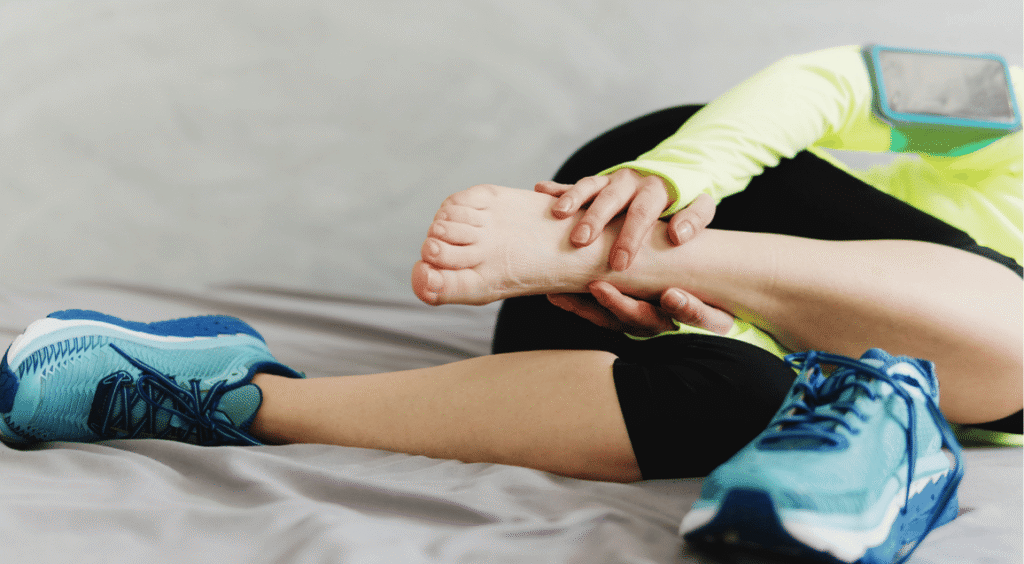
Every morning across Indore, thousands of school children head to cricket nets, football turfs, and basketball courts. In rapidly developing residential hubs like Nipania, the culture of competitive youth sports is growing faster than ever. While this dedication to fitness is excellent, it comes with a hidden physical cost that many parents only realize when their child starts limping or complaining of a dull ache after practice. Because a child’s skeleton is still developing, the way they train must be fundamentally different from an adult. If your child is a student-athlete in Apollo DB City, Ocean Park, or BCM Paradise, understanding Pediatric Sports Physiotherapy is the first step in protecting their professional athletic future.
At Dr Manisha Physiotherapy Clinic, we see many young athletes who have been pushed too hard, too soon. A child’s body is not just a smaller version of an adult body. They have unique vulnerabilities, specifically in their growth plates, which are much softer than mature bone. When school training sessions ignore these biological facts, minor stresses turn into long-term injuries. Our goal is to bridge the gap between high-performance school sports and medical safety for the families living in the heart of Nipania.
Why Growth Plates Make Student Athletes Vulnerable
The most important thing to understand about youth sports safety is the growth plate, or epiphyseal plate. These are areas of developing tissue near the ends of long bones in children and teenagers. Because they are the last part of the child’s bones to harden, they are physically weaker than the ligaments and tendons that surround them. In an adult, a hard fall might result in a simple ligament sprain; in a child, that same force can cause a growth plate fracture.
Specialized Pediatric Sports Physiotherapy in Indore focuses heavily on these sensitive areas. During growth spurts, a child’s bones often grow faster than their muscles. This leads to a period where the muscles are tight and pull on these growth plates. If your child is currently attending a school near Nipania and is going through a sudden increase in height, they are at their highest risk for injury. Identifying this window of risk is a key part of our clinical assessment for junior athletes.
Common Training Injuries Seen in Indore Students
In our clinic, we treat specific conditions that are frequently linked to the types of sports played in Indore schools. Whether it is cricket, football, or basketball, each sport puts a different stress on a growing body. Early detection is the only way to avoid surgery or permanent joint damage.
- Severs Disease (Heel Pain): This is very common in young cricketers and sprinters. It happens when the calf muscle pulls on the growing heel bone, leading to inflammation and pain that makes it hard to walk after a long match.
- Osgood-Schlatter Disease (Knee Pain): Frequently seen in students playing basketball or football on hard surfaces. It causes a painful, bony bump below the kneecap.
- Little League Elbow: This is a repetitive stress injury common in young cricket bowlers who over-train their pace without allowing the elbow growth plates to recover.
- Shin Splints: Often caused by running on hard Indore school grounds without proper footwear or gradual training.
If your child is experiencing persistent joint pain, you can read more about our specialized approach to knee pain physiotherapy in Indore to understand how we stabilize these joints safely.
The Hidden Danger of Early Specialization in Schools
Many parents in Nipania and Vijay Nagar believe that for their child to become a professional, they must play only one sport all year round. This is known as early specialization, and from a medical perspective, it is a major risk factor for overuse injuries. When a child performs the same motion thousands of times without variety, they stress the same joints and muscles repeatedly without giving them time to adapt.
Through Pediatric Sports Physiotherapy in Indore, we encourage what is known as multi-sport participation. Playing different sports develops different muscle groups and gives the primary sports muscles time to heal. For example, a student who plays cricket in the winter and swims in the summer is far less likely to suffer from a stress fracture than a child who bowls at the nets 365 days a year. Variety is the best injury prevention tool for a growing body.
How We Use Pediatric Sports Physiotherapy for ACL Prevention
ACL injuries are no longer limited to professional adult footballers. We are seeing a significant increase in ACL tears among school students, especially girls in their early teens. An ACL injury is a devastating blow that requires nearly a year of rehabilitation. However, many of these injuries are preventable through specific neuromuscular training that we provide to residents of Apollo DB City and Ocean Park.
- Landing Mechanics: We teach young athletes how to land from a jump with their knees aligned rather than collapsing inward.
- Deceleration Drills: Many injuries happen when a child tries to stop suddenly. We train the muscles to handle that braking force safely.
- Balance and Proprioception: Improving the child’s joint position sense helps their brain protect the knee during chaotic game situations.
For more severe cases where a child is returning from a tear, our sports injury physiotherapy in Indore provides the high-level rehab needed to safely return to school sports.
The 10 Percent Rule: A Parent’s Guide to Training Loads
One of the most effective ways to prevent injuries in Indore schools is to follow the 10 Percent Rule. This rule states that you should never increase a child’s training intensity, duration, or frequency by more than 10 percent in a single week. If your child practiced for 5 hours last week, they should not practice for more than 5.5 hours this week. Sudden spikes in activity are the leading cause of stress fractures and tendonitis.
In many school settings, coaches might double the training intensity suddenly before a major tournament. This is when we see a spike in clinic visits. As a parent, you must monitor your child’s total weekly load. This includes school PE, private coaching, and weekend matches. Excess load without enough recovery is the primary cause of overuse injuries for those living in BCM Paradise and Skye Luxuria.
Why Professional Assessment Beats Waiting it Out
Many parents assume that if their child is still playing, the injury isn’t serious. However, children are incredibly resilient and will often play through significant pain to avoid letting their team down. By the time they actually stop playing, the injury is usually advanced. A professional assessment from a Pediatric Sports Physiotherapy expert can catch these pre-injuries before they become full-blown fractures or tears.
As a specialist with Mumbai-trained expertise, Dr. Manisha Mishra uses evidence-based screening to check for muscle imbalances, joint laxity, and postural issues. We don’t just treat the pain; we fix the mechanical flaw that caused the pain. This is vital for residents of Nipania who want the best for their children’s long-term health and mobility.
Safe Strength Training for Teenagers in Indore
There is a common myth in Indore that strength training or lifting weights will stunt a child’s growth. This is scientifically incorrect. When supervised by a professional, strength training is actually one of the best ways to prevent injuries. It strengthens the muscles and tendons around the growth plates, acting like a natural armor for the skeleton. It can also improve the bone density of a developing child.
- Focus on Form: We prioritize movement quality over the amount of weight lifted every time.
- Bodyweight First: Most school athletes only need bodyweight exercises like squats, lunges, and planks to build a solid foundation.
- Supervision: A child should never lift weights without a professional or coach present to ensure their spine remains neutral and safe.
For more research on how strength training affects junior athletes, you can visit the Cleveland Clinic website or search for adolescent strength training on PubMed.
The Importance of Proper Footwear and Surfaces
Indore schools vary in their facilities. Some have high-end turfs, while others use hard-packed mud or concrete courts. The surface your child plays on dictates the type of shoes they need. A shoe with poor cushioning on a hard concrete basketball court is a recipe for shin splints and heel pain. We advise parents in Nipania to check their child’s shoes every three to four months, as the internal cushioning usually wears out long before the outside looks old.
How Pediatric Sports Physiotherapy Supports Recovery
Recovery is not just about doing nothing. We use active recovery protocols to keep the blood flowing and maintain the child’s fitness while the injured area heals. Our approach in Nipania involves manual therapy to reduce inflammation, followed by a graduated exercise program that mirrors the movements of their specific sport. This ensures they don’t just get better, but they return stronger than they were before the injury.
“A young athlete’s recovery is about more than just healing a bone or a muscle; it is about rebuilding their confidence to move at full speed again.” – Dr. Manisha Mishra (MPT).
Conclusion: Keeping Indore’s Young Champions in the Game
Sports are an essential part of childhood, building character, discipline, and physical health. By prioritizing proper mechanics and form, we can ensure that our children enjoy these benefits without the burden of chronic pain. If your child is a student-athlete in Nipania, make sure they are training smart, not just hard. World-class care is now available right in your neighborhood near Apollo DB City and BCM Paradise.
Frequently Asked Questions
1. How do I know if my child has a sports injury or just growing pains?
Growing pains usually occur at night, affect both sides of the body, and do not cause limping. A sports injury usually hurts during or after activity, often on one side, and may involve swelling or visible changes in movement.
2. Is it safe for my 12-year-old to go to the gym?
Yes, if they are supervised and focused on bodyweight or light resistance with perfect form. It is safer than many high-contact sports when done correctly and can help prevent future injuries.
3. Why does my child have heel pain every time they bowl in cricket?
This is likely Severs Disease, caused by the calf muscle pulling on the heel’s growth plate. It is very common in Indore school cricketers and can be managed with proper stretching, footwear, and specialized pediatric care.
4. Can Sports Physiotherapy help prevent ACL tears?
Yes, through neuromuscular training and landing drills, we can significantly reduce the risk of non-contact ACL injuries in teenagers by teaching them better body control.
5. Should I apply ice or heat to my child’s sports injury?
For new injuries with swelling, ice is generally better for the first 48 hours to control inflammation. However, it is always best to get a professional diagnosis before starting any home treatment.
6. How long does a typical pediatric physio session last?
Our sessions in Nipania usually last 45 to 60 minutes, focusing on one-on-one care and engagement to ensure the child stays motivated and follows the recovery plan.
7. My child is very flexible; why do they keep getting injured?
Hypermobility (too much flexibility) without enough muscle strength to control the joints can actually increase the risk of sprains and dislocations. These children need more strength training than others.
8. Does my child need an X-ray for every sports injury?
Not always. A skilled physiotherapist can often determine the nature of the injury through physical tests, though we refer for imaging if a fracture or growth plate issue is suspected.
9. What is the most common injury in football?
Ankle sprains and Osgood-Schlatter (knee pain) are the most frequent complaints we see from young footballers due to the hard playing surfaces often found in school grounds.
10. Where is your clinic located in Nipania?
We are located at Divyansh Square 2, which is conveniently accessible for families living in Apollo DB City, Ocean Park, and BCM Paradise.
Medical Disclaimer: This article is for informational purposes only and does not substitute for professional medical advice. Always consult a qualified healthcare provider or a pediatric specialist for any health concerns regarding your child. If your child has a sudden, severe injury or cannot bear weight, seek immediate medical attention.