
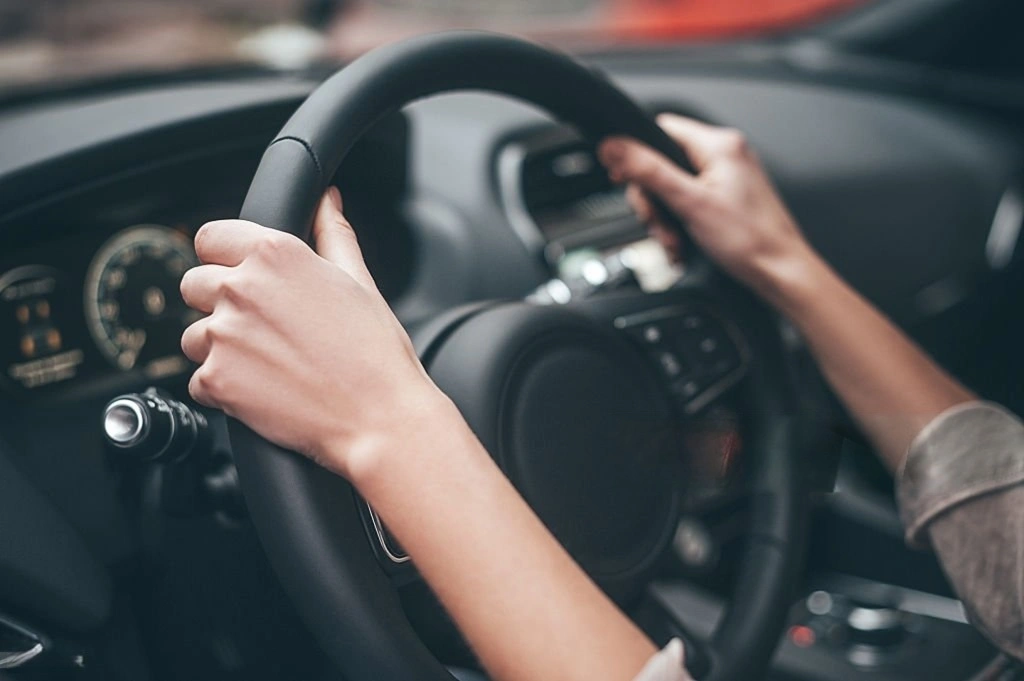
For most residents of Nipania, driving is not just a luxury; it is a daily necessity for commuting to work or running errands. One of the most frequent questions we hear during ACL rehabilitation in Nipania is: “When can I get back behind the wheel?” While the desire for independence is strong, returning to driving too early can be dangerous for you and others on the road. Driving requires more than just sitting; it requires the ability to perform an emergency stop with significant force.
In our specialized ACL rehabilitation in Nipania, we treat driving as a functional milestone. It is not just about the number of weeks since your surgery; it is about your muscle control, reaction time, and the specific leg that was operated on. Whether you are navigating the busy streets of Vijay Nagar or the residential lanes of BCM Paradise and Apollo DB City, your knee must be biomechanically capable of handling sudden movements. This guide breaks down the clinical requirements for returning to the driver’s seat safely.
The General Timeline: Right Leg vs. Left Leg
The timeline for driving depends heavily on which leg underwent surgery and the type of vehicle you drive. In our ACL rehabilitation in Nipania program, we generally follow these research-backed benchmarks:
- Left Leg Surgery (Automatic Transmission): You may be able to return to driving as early as 2 to 3 weeks, provided you are no longer taking narcotic pain medications and can comfortably enter and exit the vehicle.
- Right Leg Surgery (All Vehicles): This is the “braking leg.” Most clinical studies, including those found on PubMed, suggest that braking reaction time does not return to baseline until at least 6 weeks post-surgery.
- Left Leg Surgery (Manual Transmission): Since the clutch requires significant force and repetitive movement, we typically wait until 6 weeks to ensure the graft is protected during repetitive foot movements.
If you are recovering in Ocean Park or Shivalika, we recommend a formal assessment at our clinic before you attempt your first drive. We test your “Stomp Force” to ensure your quadriceps can handle the pressure of a sudden emergency stop.
The “Narcotic Rule” and Cognitive Safety
Before we even look at your knee strength during ACL rehabilitation in Nipania, we must address medication. You are strictly prohibited from driving while taking strong opioid pain relievers. These medications impair your judgment and slow your reaction time. Even if your knee feels strong enough to drive around Nipania, your brain may not be fast enough to avoid an accident. You must be off all heavy painkillers for at least 24 to 48 hours before considering a return to the road.
Biomechanical Requirements for Safe Driving
Driving isn’t just about the foot pedals; it is also about the ability to get in and out of the car. Many modern cars in societies like Skye Luxuria have low seating positions. During ACL rehabilitation in Nipania, we ensure you have enough “Knee Flexion” (bending) to sit comfortably without straining the graft. You generally need at least 90 to 105 degrees of flexion to sit in a standard driver’s seat comfortably.
Furthermore, we look at “Quadriceps Lag.” If you cannot lift your leg straight without the knee drooping, you do not have enough control to quickly move your foot from the accelerator to the brake. In our knee pain physiotherapy in Indore sessions, we use specific exercises to eliminate this lag, ensuring your foot moves as fast as your brain commands.
Testing Your “Emergency Stop” Strength
An emergency brake requires about 60 to 80 pounds of force applied almost instantly. During ACL rehabilitation in Nipania, we simulate this pressure. We often use a “functional brake test” where we ask you to press against a resistance tool. If your knee “gives way” or you feel sharp pain, the graft is not yet ready for the road. This is especially vital for athletes who might be driving to sports complexes near Nipania Main Road.
Research from the NHS emphasizes that physical readiness is the only way to ensure road safety. We don’t want your first test of strength to be in a real-world emergency. By testing this in the clinic, we provide a safe environment to fail and improve before you face Indore traffic.
Tips for Your First Drive Post-Surgery
Once you are cleared by your therapist during your ACL rehabilitation in Nipania, your first few drives should follow a cautious “Return to Driving” protocol:
- Start Small: Drive around a quiet residential area before heading into city traffic.
- Short Duration: Limit your first few drives to 10 or 15 minutes to avoid muscle fatigue.
- Adjust Your Seat: Move your seat slightly further back than usual to reduce the bend in your knee, making it easier to transition between pedals.
- Have a Co-Pilot: Have someone with you for the first few trips in case you feel sudden discomfort or stiffness.
If you find that driving causes increased swelling, it is a sign that you are not quite ready. You can refer to our sports injury physiotherapy in Indore guidelines for managing post-activity inflammation.
The Legal and Insurance Aspect
In many cases, if you are involved in an accident shortly after a major surgery, insurance companies may scrutinize your medical clearance. Having a documented “Clearance for Driving” from your specialist provides an extra layer of protection. It proves that you met the clinical criteria for safe operation of a motor vehicle. This is a service we provide to all our patients in Nipania to ensure their peace of mind.
Conclusion: Patience for the Sake of Safety
Returning to driving is a major milestone in your recovery journey. While it represents a return to “normal life” in Indore, it must be earned through consistent effort in your ACL rehabilitation in Nipania. By waiting until your quadriceps are strong and your reaction times are sharp, you protect your surgical graft and ensure the safety of your community. If you are unsure about your readiness, visit us in Nipania for a formal biomechanical assessment.
Frequently Asked Questions
1. Can I drive with a knee brace on?
Yes, if your surgeon has prescribed a brace for daily activities, you should wear it while driving. However, ensure the brace does not catch on the car’s interior panels.
2. Why does my knee hurt more after driving?
The static position of the knee combined with repetitive small foot movements can cause “ischaemic” stiffness. Frequent breaks and stretching can help.
3. Is an automatic car really safer for ACL recovery?
Yes, for left-leg surgeries, an automatic car removes the need for the heavy clutch pedal, allowing for an earlier return to the road.
4. How do I improve my braking strength?
Focus on isometric quadriceps contractions and “leg presses” within a safe range during your ACL rehabilitation in Nipania.
5. Can I drive if I am still using one crutch?
If you still need a crutch for walking, it usually means your weight-bearing stability is not 100 percent. We generally advise waiting until you are off crutches for right-leg surgeries.
6. I live in Apollo DB City; is there a quiet place to practice?
The internal roads of larger societies are often great for a 5-minute “test drive” once cleared by your therapist.
7. Does the type of graft affect driving time?
Generally, no. The timeline is more dependent on muscle activation and pain levels than the specific graft type.
8. What if I have to drive for a living?
Professional drivers (taxis/trucks) require a longer period of ACL rehabilitation in Nipania due to the high volume of repetitive movements and longer durations behind the wheel.
9. Should I move my seat closer or further away?
Further away is usually better initially, as it allows for a more “extended” knee position which is often more comfortable post-surgery.
10. How will I know if my reaction time is back to normal?
We use specific “tap tests” and functional movement drills in the clinic to compare your operated leg’s speed with your healthy leg.
Medical Disclaimer: This article is for informational purposes only. Driving after surgery involves legal and safety risks. Always obtain explicit clearance from your orthopedic surgeon and your physiotherapist before operating a motor vehicle. If you feel any pain or weakness while driving, stop immediately and seek medical advice.