
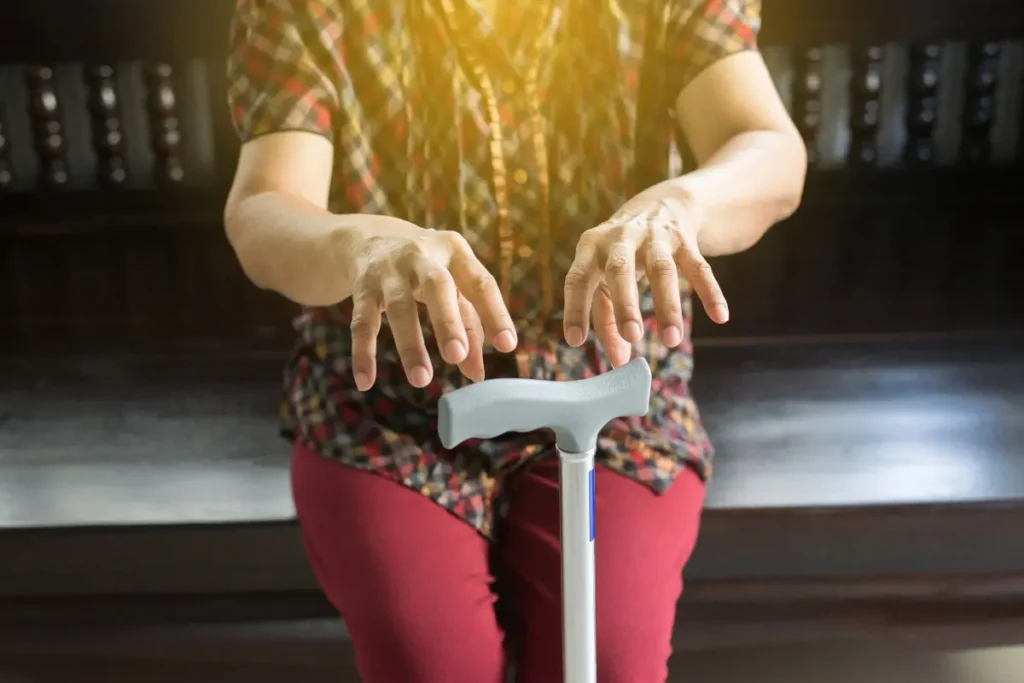
You get up from a chair after sitting for a while, and your hip feels stiff and sore for the first few steps. Or maybe it is sharper than that, a deep ache in your groin that makes walking, climbing stairs, or even turning over in bed genuinely difficult. Hip pain shows up in many different ways, and that is exactly why hip pain physiotherapy in Indore starts with figuring out what is actually causing it, rather than treating every hip complaint the same way.
The hip is one of the largest and most heavily used joints in the body, carrying your weight through walking, standing, sitting, and almost every daily movement. When something goes wrong with it, whether it is the cartilage, the surrounding muscles, or the blood supply to the bone itself, the impact on daily life can be significant.
This guide walks you through the most common causes of hip pain, how hip pain physiotherapy in Indore approaches each one differently, what exercises actually help, and when it is time to see a specialist for further evaluation.
Hip Pain Has Many Possible Causes
According to the Cleveland Clinic, hip pain can come from arthritis, injuries, bursitis, or structural issues within the joint itself, and where you feel the pain often points to what is causing it. Pain closer to the surface usually points to muscles, tendons, or ligaments, while deeper pain often comes from the bone or cartilage. This is exactly why hip pain physiotherapy in Indore begins with a thorough assessment rather than a generic treatment plan.
Some of the most common causes physiotherapists see include:
- Hip osteoarthritis, the gradual wearing down of cartilage in the joint, most common in people over 50
- Trochanteric bursitis, inflammation of the fluid-filled sac that cushions the outer hip, often from repetitive movement or prolonged standing
- Gluteal tendinopathy, a breakdown of the tendon tissue connecting the buttock muscles to the hip, particularly common in women over 40
- Avascular necrosis (AVN), a condition where the blood supply to the femoral head is disrupted, causing the bone tissue to weaken and potentially collapse over time
- Muscle strains and labral tears, often related to sports, sudden movements, or repetitive overuse
- Referred pain from the lower back, where spine-related nerve irritation is felt in the hip or groin rather than the back itself
Hip Osteoarthritis: The Most Common Cause of Hip Pain in Older Adults
Hip osteoarthritis is one of the leading reasons people seek hip pain physiotherapy in Indore, particularly among older adults. The Cleveland Clinic notes that hip arthritis is usually osteoarthritis, a degenerative condition affecting the cartilage in the joint, and that exercise and lifestyle changes play an essential role in managing the pain and maintaining mobility.
Physiotherapy for hip osteoarthritis typically focuses on:
- Strengthening the muscles around the hip to reduce load on the joint itself
- Improving flexibility and range of motion to ease stiffness
- Gait and movement retraining to reduce compensatory strain on the knees and lower back
- Education on activity modification, without encouraging complete inactivity
Most people with hip osteoarthritis can manage their symptoms well with consistent hip pain physiotherapy in Indore and do not require surgery, particularly when treatment begins early rather than after the condition has progressed significantly.
Hip Bursitis and Gluteal Tendinopathy
Pain on the outer side of the hip, especially when lying on that side at night, is often caused by trochanteric bursitis or gluteal tendinopathy rather than arthritis. Hip pain physiotherapy in Indore for these conditions usually focuses on gradually loading the tendon through targeted strengthening exercises, correcting movement patterns that place excess strain on the outer hip, and temporarily modifying activities that aggravate the area, such as prolonged standing on one leg or sleeping on the affected side.
Avascular Necrosis (AVN) of the Hip: What Physiotherapy Can and Cannot Do
Avascular necrosis deserves a more careful explanation, since it is a genuinely serious condition and not simply another cause of hip pain to exercise through. AVN happens when the blood supply to the femoral head is disrupted, and the affected bone tissue can gradually weaken and, in advanced stages, collapse. It is more common in adults under 40 and can be linked to long-term steroid use, excessive alcohol consumption, trauma, or certain underlying medical conditions.
The right role for hip pain physiotherapy in Indore in AVN depends heavily on the stage of the condition:
- Early stages, where physiotherapy can support pain management, maintain surrounding muscle strength, and help protect the joint alongside medical treatment
- Later stages, where significant bone collapse has occurred, physiotherapy plays a supportive role around surgical treatment rather than being a standalone solution
If you suspect AVN, particularly if you have risk factors such as prolonged steroid use and alcohol use, it is important to get an accurate diagnosis and imaging from an orthopaedic doctor first. Hip pain physiotherapy in Indore then works alongside that medical guidance, rather than replacing it, since catching AVN early significantly improves the range of treatment options available.
How Do You Know What Is Causing Your Hip Pain?
Since hip pain can come from so many different sources, an accurate assessment matters more here than with many other joint conditions. A physiotherapist offering hip pain physiotherapy in Indore will typically evaluate:
- Where exactly the pain is felt, since groin pain, outer hip pain, and buttock pain often point to different causes
- What movements or positions worsen or ease the pain
- Your walking pattern and any visible limp or compensation
- Muscle strength and flexibility around the hip, pelvis, and lower back
- Your medical history, including any steroid use, previous injuries, or family history of joint conditions
If the picture is unclear, or if red flags such as sudden severe pain, inability to bear weight, or significant risk factors for AVN are present, your physiotherapist will refer you for imaging or an orthopaedic consultation before proceeding with treatment.
What a Hip Pain Physiotherapy Program in Indore Typically Includes
1. Pain and Symptom Management
In the early phase, gentle techniques, activity modification, and appropriate use of heat or ice help calm the area before progressing to more active treatment.
2. Manual Therapy
Hands-on techniques such as soft tissue release and joint mobilization can improve movement and reduce pain, particularly for bursitis, tendinopathy, and mild to moderate arthritis.
3. Progressive Strengthening Exercises
Strengthening the muscles that support the hip, particularly the glutes and deep hip stabilizers, is central to nearly every form of hip pain physiotherapy in Indore, since stronger surrounding muscles reduce the load passing through the joint itself.
4. Mobility and Flexibility Work
Gentle stretching and mobility exercises help maintain range of motion, which is particularly important for arthritis and post-injury stiffness.
5. Gait and Movement Retraining
Many people with long-standing hip pain develop compensatory walking patterns. Correcting these patterns reduces strain not just on the hip, but on the knees and lower back as well.
How Long Does Hip Pain Take to Improve?
Recovery timelines vary significantly depending on the underlying cause:
- Mild bursitis or tendinopathy often improves within four to six weeks of consistent physiotherapy
- Hip osteoarthritis is a long-term condition managed over months and years, though noticeable symptom improvement is often seen within six to eight weeks
- AVN recovery timelines depend heavily on the stage and the medical treatment involved, and physiotherapy works as part of a longer-term, coordinated care plan
What Happens If You Ignore Hip Pain?
Many people push through hip pain, assuming it will settle with time. While mild cases sometimes do, ignoring persistent hip pain allows compensatory movement patterns to develop, which can lead to secondary knee or back pain. In conditions like AVN, delaying diagnosis can mean missing the window where early, joint-preserving treatment is most effective. If your hip pain has lasted more than two to three weeks, or if you notice increasing stiffness, weakness, or difficulty bearing weight, it is a reasonable time to start hip pain physiotherapy in Indore rather than waiting it out.
Choosing the Right Hip Pain Physiotherapy Clinic in Indore
A few things worth considering when choosing where to seek hip pain physiotherapy in Indore:
- Whether the physiotherapist takes time to properly identify the cause before starting treatment
- Whether they recognize when a case needs orthopaedic referral rather than physiotherapy alone, particularly for suspected AVN
- Whether you receive a personalized, progressive exercise plan rather than a generic hip exercise sheet
- Whether the clinic coordinates with orthopaedic surgeons for complex or advanced cases
If you are exploring related treatment options, you can also read more about our bone and joint physiotherapy programs or learn about our post-surgery rehabilitation services for patients recovering from hip replacement surgery.
Living With Hip Pain: A Realistic Outlook
Most causes of hip pain, from bursitis to early-stage arthritis, respond very well to consistent hip pain physiotherapy in Indore, especially when treatment begins before the condition has had time to progress. Even more serious conditions like AVN benefit from early physiotherapy involvement alongside proper medical care. The most important step is getting an accurate diagnosis early, rather than assuming all hip pain is the same or waiting until it becomes severe.
Hip pain rarely has a single, simple explanation. Getting the right diagnosis early is often what determines how smooth and complete your recovery will be.
Frequently Asked Questions About Hip Pain Physiotherapy in Indore
1. Can physiotherapy help with hip arthritis, or is surgery always needed?
Physiotherapy is usually the first and most effective approach for hip arthritis, and most people manage their symptoms well without surgery, particularly when treatment starts early.
2. Is physiotherapy safe for someone with AVN of the hip?
Yes, but it should be guided by an accurate diagnosis and staging from an orthopaedic doctor first, since the right approach depends heavily on how advanced the condition is.
3. Why does my hip hurt more at night?
Night pain, especially when lying on the affected side, is a common feature of bursitis and gluteal tendinopathy, and does not necessarily indicate a more serious problem.
4. Can hip pain actually be coming from my lower back?
Yes, nerve irritation in the lower back can refer pain to the hip or groin area, which is why a thorough assessment of the back is often part of hip pain physiotherapy in Indore.
5. How many sessions of hip pain physiotherapy are usually needed?
This depends heavily on the cause, but many patients attend two to three sessions a week initially, tapering off as symptoms improve and a home program takes over.
6. Is it normal for hip pain to come and go?
Yes, particularly with arthritis and tendon-related conditions, symptoms can flare with certain activities and settle with rest, though this pattern should still be properly assessed.
7. Can young, active people get AVN, or is it only for older adults?
AVN often affects adults under 40, unlike osteoarthritis, which is more common in older adults, making it an important condition to rule out in younger patients with unexplained hip pain.
8. Should I stop exercising completely if I have hip pain?
Usually not. Complete rest often makes hip conditions worse over time. Your physiotherapist can guide you on which movements to modify and which to continue safely.
9. Do I need an MRI before starting hip pain physiotherapy?
Not always. Many common causes of hip pain can be assessed clinically, but imaging is recommended if there are risk factors for AVN, suspected fracture, or symptoms that are not improving as expected.
10. What is the best way to prevent hip pain from coming back?
Maintaining hip and core strength, addressing early symptoms rather than ignoring them, and following through on your full physiotherapy program rather than stopping once pain eases are the most effective ways to reduce recurrence.
Medical Disclaimer: This article is intended for general informational purposes only and does not replace professional medical advice, diagnosis, or treatment. Hip pain can have serious underlying causes, including avascular necrosis, so please consult a qualified physiotherapist or doctor for an accurate diagnosis and a treatment plan suited to your specific condition.