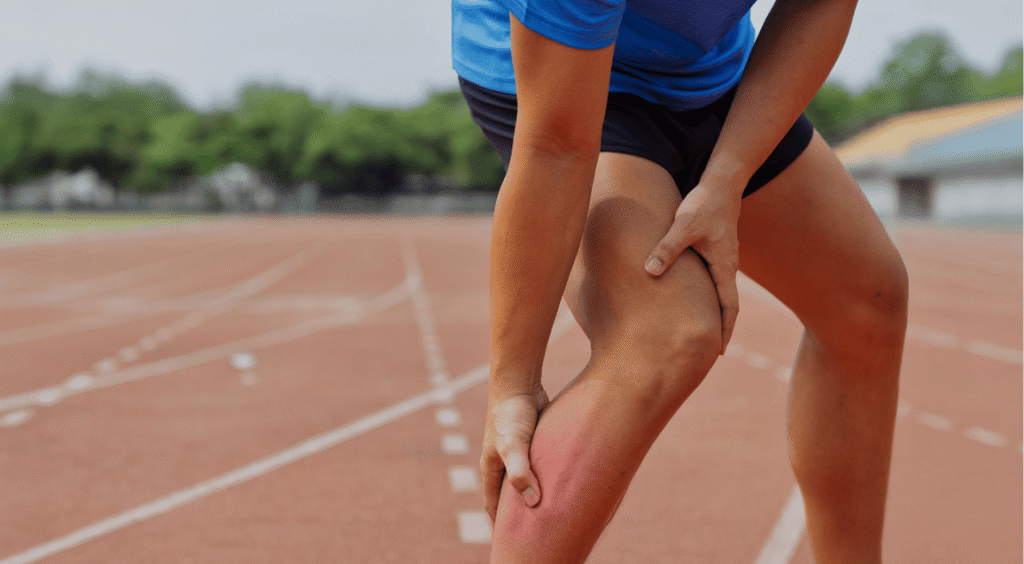
For an athlete in Indore, an Anterior Cruciate Ligament (ACL) injury feels like more than just a physical setback; it feels like a hit to your identity. Whether you are a cricketer training at the local academy or a weekend warrior living in Nipania, the surgery is only the beginning. The real victory is won during ACL rehabilitation. Many patients make the mistake of thinking that once the surgeon has “fixed” the knee, the graft is invincible. In reality, the success of that surgery depends entirely on how you protect the biomechanics of that graft during the first nine months of recovery.
If you are residing in Nipania hubs like Ocean Park or BCM Paradise, you need a protocol that isn’t just a list of exercises but a scientifically structured roadmap. This guide explains the “Why” behind every movement, focusing on the biomechanical principles that ensure your graft doesn’t just heal, but thrives. We move beyond generic physiotherapy to offer a specialized approach that respects the biological timeline of your knee.
Understanding the Biological Clock: The Ligamentization Phase
The most critical concept in ACL rehabilitation in Indore is a process called ligamentization. When a surgeon replaces your ACL with a tendon graft (usually from your hamstring or quads), the body begins to transform that tendon into a ligament. During this time, the graft actually goes through a phase where it becomes weaker before it gets stronger. This “vulnerable window” typically occurs between week 6 and week 12.
During this phase, the graft undergoes avascular necrosis, meaning the original cells die off to be replaced by new, stronger cells. If you apply excessive shear force to the knee during this time by running too early or skipping your protective exercises, the graft can stretch. A stretched graft leads to a “loose” knee, which often requires a second surgery. At Dr Manisha Physiotherapy Clinic, our structured rehabilitation program is strictly timed to match these biological milestones, ensuring we never overload the tissue when it is at its weakest.
Phase 1: Protecting the Structural Foundation (0 to 4 Weeks)
In the immediate weeks following surgery, the goal of ACL rehabilitation (in Indore) is not strength—it is protection and range of motion. For residents of Skye Luxuria or Shivalika, the first few visits to the clinic focus on “quieting” the knee. We prioritize reducing swelling (effusion) and regaining full knee extension. If you do not get your knee perfectly straight in this phase, you may never walk normally again.
- Knee Extension: Passive stretching and “heel props” to ensure the knee reaches 0 degrees.
- Quadriceps Activation: Using electrical stimulation to “wake up” the thigh muscles that often shut down after surgery.
- Gait Training: Ensuring you are walking correctly with crutches to avoid putting improper stress on the joint capsule.
According to the Journal of Orthopaedic Surgery and Research, early mobilization is key to preventing scar tissue buildup, but it must be done within a safe biomechanical range. We ensure your early ACL rehabilitation sets the stage for the high-intensity work to come.
Phase 2: Transitioning to Functional Loading (5 to 12 Weeks)
This is the most dangerous phase for Indore athletes. As the pain subsides, you might feel ready to run around Nipania Main Road or visit your society gym in BCM Paradise. However, this is exactly when the graft is in its weakest biological state. Our ACL rehabilitation in Indore shifts focus to “Closed Kinetic Chain” exercises. These are movements where your foot is fixed on the ground (like squats or lunges), which are much safer for the graft than “Open Chain” movements like leg extensions.
We focus on the “Biomechanics of the Hip and Ankle.” If your hip is weak, your knee will collapse inward (valgus stress) during a squat, which puts immense strain on the new ACL. By strengthening your glutes and improving ankle mobility, we create a “protective shield” around the knee joint. This holistic view of the lower limb is what makes our ACL rehabilitation (in Indore) superior to generic programs.
Phase 3: Building Explosive Power and Neuromuscular Control (3 to 6 Months)
Once the graft has passed the primary danger zone, we begin the heavy lifting. For athletes, this is where we introduce plyometrics and agility drills. But we don’t just jump; we learn how to land. Biomechanical research published on PubMed shows that most ACL re-tears happen during landing or pivoting because the brain cannot control the knee’s position fast enough.
Our ACL rehabilitation (in Indore) includes “Neuromuscular Re-education.” We use balance boards, reactive drills, and dual-tasking exercises to retrain your nervous system. We want your muscles to react automatically when you make a sudden turn on the field. If you are also managing other issues like knee pain, ankle stiffness etc, we integrate those treatments to ensure your entire lower body is resilient.
Phase 4: Return to Sport Testing (6 Months and Beyond)
How do you know if you are ready to play again? In our ACL rehabilitation (in Indore), we do not use the calendar; we use data. Before you are cleared to return to competitive sports in Nipania, you must pass a battery of “Return to Sport” (RTS) tests. We measure your Limb Symmetry Index (LSI), ensuring that your operated leg is at least 90 percent as strong and stable as your healthy leg.
- Single Leg Hop Test: Measuring distance and landing quality.
- Triple Hop for Distance: Testing explosive power and deceleration.
- Crossover Hop Test: Evaluating stability during side-to-side movements.
- Isokinetic Strength Testing: Assessing the exact torque produced by your quads and hamstrings.
For local athletes, our sports injury physiotherapy in Indore provides the high-performance testing environment needed to ensure you aren’t just “feeling good,” but are “clinically ready.”
The Impact of Specialized Care in Nipania hubs
Choosing a center for ACL rehabilitation in Indore that is located near your home in Ocean Park or Apollo DB City is a strategic advantage. ACL recovery is a marathon. It requires 2 to 3 sessions a week for several months. When the clinic is in your neighborhood, you are far less likely to skip sessions. Consistency is the primary driver of graft success. Our facility in Nipania combines the academic expertise of a University Gold Medalist with the convenience of local access.
We understand the lifestyle of residents in BCM Paradise and Grand Exotica. We provide home exercise programs that complement your in-clinic sessions, ensuring that your ACL rehabilitation (in Indore) never stops, even on the days you aren’t with us. This partnership between the therapist and the patient is what guarantees a return to your pre-injury level.
Why Manual Therapy is Essential for Biomechanical Success
While exercises are the “engine” of recovery, manual therapy is the “fine-tuning.” Many post-op patients suffer from “Patellar Mobility” issues, where the kneecap gets stuck due to scar tissue. If the kneecap doesn’t move, the quad muscle cannot work. Our exercise program includes hands-on mobilization of the patella and the tibiofemoral joint. This ensures that the biomechanical “tracking” of your knee is perfect, preventing long-term issues like patellofemoral pain or early arthritis.
“Rehabilitating an ACL is not just about getting the muscle big; it is about teaching the brain and the joint to work in harmony again. Biomechanics is the language of that harmony.” – Dr. Manisha Mishra (MPT).
Conclusion: Your Path Back to the Field
Recovering from an ACL injury is one of the toughest challenges an athlete will face. However, with a phase-wise, biomechanically sound protocol, it is also one of the most rewarding. By choosing specialized ACL rehabilitation in Indore, you are choosing to protect your graft, your career, and your future mobility. Whether you are aiming for the professional leagues or just want to walk comfortably, expert care makes the difference. Take control of your recovery today and move from the sidelines back to the center of the action.
Frequently Asked Questions
1. Why is the 6-12 week period so critical?
This is the ligamentization phase where the graft is biologically at its weakest. ACL rehabilitation in Indore during this time focuses on protection and controlled loading.
2. Can I start running at 3 months?
Only if you meet specific strength and stability criteria. Most athletes in our ACL rehabilitation in Indore program begin a graduated “Return to Run” protocol between 3 and 5 months.
3. Why do my quads look so much smaller than the other side?
Muscle atrophy is a natural response to surgery and swelling. A major goal of ACL rehabilitation in Indore is to overcome “Arthrogenic Muscle Inhibition” to rebuild that mass safely.
4. Is it normal to have pain behind the knee?
If a hamstring graft was used, some donor-site soreness is normal. We include specific hamstring strengthening to address this.
5. What happens if I skip physiotherapy?
The risk of graft failure, permanent stiffness, and early-onset osteoarthritis increases significantly. Professional guidance is essential for a safe outcome.
6. I live in BCM Paradise; do I need to go to Vijay Nagar for rehab?
No. Our clinic in Nipania offers world-class facilities right in your neighborhood, saving you the stress of Indore traffic during your recovery.
7. When can I play cricket again?
A safe return to competitive sports usually takes 9 to 12 months, provided you pass all the “Return to Sport” tests in our ACL rehabilitation in Indore program.
8. Do I need any special equipment for home exercises?
Initially, simple items like towels and resistance bands are enough. As you progress, we may suggest specific tools to enhance your ACL rehabilitation.
9. Why is my knee still clicking?
Minor clicking is often due to swelling or changes in how the kneecap tracks. We address this through manual therapy and muscle balancing.
10. Does insurance cover ACL rehabilitation in Indore?
Most health insurance policies that cover the surgery also provide coverage for post-operative physiotherapy. Check with your provider in Nipania for specific details.
Medical Disclaimer: This article is for informational purposes only and does not replace professional medical advice. ACL recovery is a complex medical process. Always consult your orthopedic surgeon and a qualified physiotherapist before starting any exercise program. If you experience sudden instability, increased swelling, or severe pain, contact your doctor immediately.