
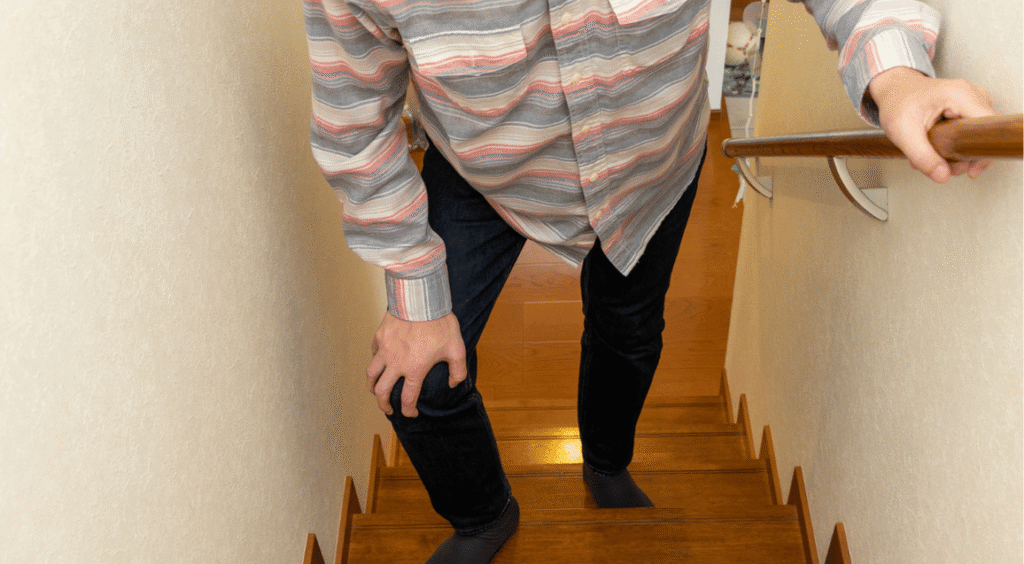
If you find it difficult to climb the stairs at your home in Apollo DB city or feel a sharp pang in your joints while walking through uneven terrains, you are not alone. Knee pain often starts as a minor stiffness in the morning but can quickly turn into a constant companion that limits your freedom. Many people believe that once arthritis sets in, surgery is the only way out. However, specialized Knee Arthritis Physiotherapy in Indore is changing that narrative by focusing on a concept called the Biomechanical Reset.
Knee arthritis, specifically osteoarthritis, is not just about the wear and tear of cartilage. It is a complex condition where the way you move, the strength of your muscles, and the alignment of your joints all play a role. By correcting these factors, you can significantly reduce pain and often postpone or entirely avoid the need for a total knee replacement. This article explores how modern physical therapy techniques provide a bridge to recovery for residents across Indore, including those in Ocean Park and BCM Paradise.
Understanding the Real Cause of Your Knee Stiffness and Pain
Your knee joint acts like a hinge that bears your entire body weight. When you have arthritis, the protective cartilage between your bones starts to thin. This leads to friction, inflammation, and eventually, the bone-on-bone sensation that makes every step feel like a chore. While aging is a factor, the way you load your weight on your joints often accelerates the damage. In many cases, it is not just the miles on your knees, but the alignment of those miles.
In a healthy knee, weight is distributed evenly across the joint surface. In an arthritic knee, muscle imbalances often cause more pressure on one side of the joint. This is why some people feel more pain on the inner side of the knee. Through Knee Arthritis Physiotherapy in Indore, we look beyond the X-ray. We analyze how you stand, how you walk, and which muscles have stopped doing their job correctly. This assessment is the first step toward a pain-free life.
According to the NHS, exercise is one of the most important treatments for people with osteoarthritis, regardless of their age or level of fitness. It helps build the internal shock absorbers of your body, which are your muscles. By strengthening the support system around the joint, we reduce the stress placed on the bone and cartilage.
The Biomechanical Reset: A Modern Approach to Knee Health
A Biomechanical Reset is not a single exercise; it is a comprehensive strategy to change how your body handles force. When you visit a specialist for knee arthritis physiotherapy in Indore, the goal is to align your kinetic chain. This chain includes your feet, knees, hips, and lower back. If your hip is weak, your knee will collapse inward, putting immense pressure on the joint. As a University Gold Medalist, Dr. Manisha Mishra’s approach is rooted in a deep, academic understanding of anatomy. We aim to recommend exercises that are backed by evidence based physiotherapy research. At Dr Manisha Physiotherapy Clinic, we work on:
- Alignment Correction: Adjusting your posture to ensure the knee joint stays in its optimal track during movement.
- Muscle Re-education: Training muscles that have become weak due to pain to fire correctly and at the right time.
- Load Management: Learning how to perform daily activities, such as walking through BCM Planet, without overloading the sensitive areas of the joint.
Steps Involved in a Successful Knee Rehabilitation Program
Recovering from arthritis pain is a journey that requires patience and the right guidance. A structured Knee Arthritis Physiotherapy in Indore program typically follows these stages to ensure long-term success:
- Pain and Inflammation Control: Using techniques like cold therapy, ultrasound, IFT, or specialized taping to calm the joint down during the initial phase.
- Restoring Range of Motion: Gentle movements to ensure you can fully straighten and bend your knee, which is often limited by swelling.
- Targeted Strengthening: Focusing on the Vastus Medialis Obliquus (the inner thigh muscle) which is crucial for knee stability and tracking.
- Balance and Proprioception: Training your brain to better sense the position of your joint to prevent falls and improve walking confidence.
- Functional Training: Practicing real-life movements, such as getting out of a chair or walking on the uneven surfaces.
For those residing in complexes like Balaji Skyz, having a localized plan that considers your specific lifestyle, whether you enjoy golf, light jogging, or simply walking to the local market, is essential for staying motivated and seeing results.
Can Physiotherapy Really Help You Avoid Knee Surgery?
This is the most common question patients ask when they visit a clinic in Nipania. While surgery is necessary in very advanced stages where the joint is completely deformed, many middle-stage cases respond beautifully to knee arthritis physiotherapy in Indore. Research published on PubMed suggests that physical therapy can be as effective as surgery for certain types of degenerative knee conditions, specifically when muscle strength is restored.
Physiotherapy helps by increasing the space within the joint through manual therapy and strengthening the quadriceps and hamstrings. Stronger muscles mean less weight is dumped directly onto the bone. This off-loading is the key to reducing inflammation and allowing you to move comfortably again. It is about creating a buffer zone that protects the joint from further wear and tear.
Frequently Asked Questions About Knee Arthritis
- Is walking good for knee arthritis? Yes, walking helps circulate joint fluid. However, walk on flat surfaces and wear supportive shoes. If walking increases your pain significantly the next day, you may need to reduce the distance and build up your stamina slowly.
- How long does it take to see results? Most patients start feeling a reduction in pain and an improvement in mobility within 4 to 6 weeks of knee arthritis physiotherapy in Indore.
- Can physiotherapy cure arthritis? While arthritis is a degenerative condition that cannot be reversed, physiotherapy can effectively manage symptoms, slow down the progression, and restore function.
- Should I use a knee cap or brace? Braces can be helpful for stability during long walks, but they should not be used all the time. Over-reliance on a brace can lead to muscle weakness.
- Is cycling better than running for arthritic knees? Generally, yes. Cycling is a non-weight-bearing exercise that improves range of motion without repetitive impact.
- Can I still climb stairs with arthritis? Yes, but use the up with the good, down with the bad rule. Step up with your stronger leg and step down with the arthritic leg first.
- Does weather affect knee pain? Many find cold or damp weather increases stiffness due to changes in barometric pressure affecting joint fluid.
- What if my knee is swollen? Swelling is a sign of irritation. You should rest, apply ice, and consult your physiotherapist. All these strategies are included in knee arthritis physiotherapy in Indore.
- Is it okay to take painkillers along with physiotherapy? Yes, medication can help manage acute pain so you can perform your exercises effectively.
- Are injections better than physiotherapy? Injections provide temporary relief, but they do not address the underlying muscle weakness. Knee Arthritis Physiotherapy in Indore provides a long-term solution.
Medical Disclaimer: The information provided in this article is for educational purposes only and is not intended as medical advice. Always seek the advice of a qualified healthcare provider or doctor regarding any medical condition or treatment. Never disregard professional medical advice or delay in seeking it because of something you have read here.