
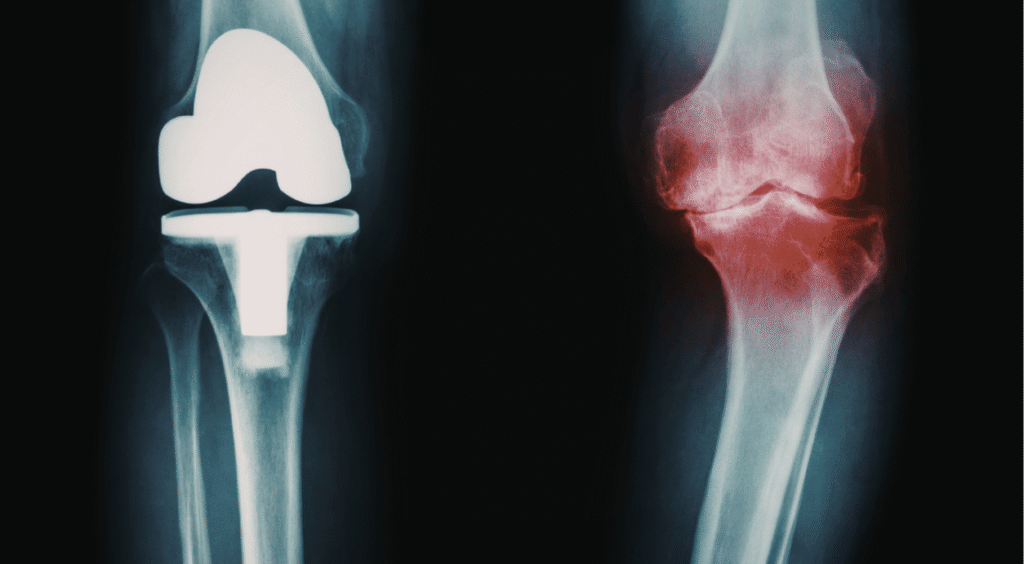
Waking up after a Total Knee Replacement (TKR) brings a mix of relief and anxiety. While the chronic arthritic pain is gone, it is often replaced by a sensation of tightness that feels like a heavy band around your joint. If you find yourself struggling to bend your knee or fully straighten your leg, you are likely searching for effective post TKR physiotherapy in Indore. You are not alone; stiffness is the most common hurdle in the recovery journey.
At Dr Manisha Physiotherapy Clinic in Nipania, we treat many patients from Apollo DB City and BCM Paradise who feel their progress has stalled. A stiff knee can be frustrating, but understanding the biological reasons behind it is the first step toward fixing it. Professional post TKR physiotherapy in Indore is not just about pushing the knee; it is about scientific management of the healing tissues.
1. The Formation of Arthrofibrosis (Excessive Scar Tissue)
The most common reason for a stuck knee is arthrofibrosis. This occurs when the body produces excessive scar tissue around the surgical site. While some scarring is necessary for healing, too much of it acts like internal glue, preventing the joint surfaces from gliding smoothly. Without specialized post TKR physiotherapy in Indore, this tissue can harden, making it significantly harder to regain your range of motion.
Research on PubMed indicates that early intervention is critical to managing scar tissue. We use manual therapy techniques to gently mobilize the patella (kneecap) and the soft tissues, ensuring that the internal glue does not set in a way that restricts your movement. This is a core component of high quality post TKR physiotherapy in Indore.
2. Persistent Joint Effusion and Internal Swelling
If your knee looks like a log and feels hot, you are dealing with effusion. Swelling is like a physical block inside the joint. It occupies the space needed for the bones to move. As long as the knee is swollen, you will not achieve full flexion. Many patients in Ocean Park and Skye Luxuria make the mistake of pushing through the pain, which actually increases inflammation and swelling.
Our approach to post TKR physiotherapy in Indore focuses on Quiet Knee protocols. We use advanced lymphatic drainage and cryotherapy to clear the fluid first. Once the swelling goes down, the range of motion often improves naturally without aggressive force. This balanced approach is why we are considered a leading center for post TKR physiotherapy in Indore.
3. Quadriceps Inhibition and Muscle Guarding
After surgery, your brain often switches off the quadriceps muscle to protect the knee from pain. This is known as arthrogenic muscle inhibition. If your quads are not firing, you cannot support the joint, leading to a heavy feeling and stiffness. Furthermore, the hamstrings often go into a protective spasm, pulling the knee into a bent position.
Expert post TKR physiotherapy in Indore uses neuromuscular electrical stimulation (NMES) to re-educate the muscles. By getting the quads to fire again, we can stabilize the joint and release the protective guarding that causes stiffness. This level of specialized care is what patients from BCM Planet and Shekhar Paradise expect when they visit our Nipania clinic.
4. Improper Pain Management Timing
If you are in too much pain to move, your knee will stiffen. Conversely, if you are completely numb and overdo it, you will cause more swelling. Finding the sweet spot is essential. Post TKR physiotherapy in Indore involves coordinating your exercise timing with your medication schedule. We teach you how to use pain as a guide, ensuring you are challenging the joint without causing a flare up.
As noted by the NHS, consistent, low intensity movement is better than occasional high intensity sessions. Our post TKR physiotherapy in Indore emphasizes a sustainable routine that respects the biological timeline of your new joint.
5. Missing the Prehab Foundation
The flexibility of your knee after surgery is often limited by its flexibility before surgery. If you entered the operating theater with a very stiff knee, the muscles and ligaments are already shortened. This is why we always recommend our pre surgery physiotherapy protocols to maximize your starting point.
If you missed prehab, do not worry. Our post TKR physiotherapy in Indore uses progressive stretching and manual glides to gradually lengthen those tight structures. It may take slightly longer, but with the right protocol at Dr Manisha Physiotherapy Clinic, you can still achieve excellent functional results.
Case Study: Overcoming a 70 Degree Flexion Stall
A 62 year old resident of Divine Greens came to us four weeks after her TKR. Her knee bending was stuck at 70 degrees, and she was unable to fully straighten her leg. She was frustrated and fearful as she was a competitive golf player and wondered if she could ever go back to playing her favorite sport. Her previous therapy had focused only on aggressive pushing, which left her knee swollen and painful.We shifted the focus of her post TKR physiotherapy in Indore to swelling management and patellar mobility. We used gentle Maitland mobilizations and muscle stimulation to engage her quads. Within three weeks, her swelling subsided, and her flexion increased to 110 degrees. She returned to climbing stairs in her home without help and returned to playing competitively in 6 months. This case highlights why a scientific, patient centered approach is vital.
Why Surgeons Prefer My Protocols Over Other Physiotherapists
Top orthopedic surgeons in Indore often refer their complex cases to us because our protocols are built on surgical precision. Unlike generic centers, my approach is preferred by specialists for these reasons:
- Surgical Protocol Adherence: We strictly follow the specific weight bearing and ROM restrictions set by the operating surgeon.
- Objective Tracking: We provide surgeons with detailed reports on ROM and strength milestones using precise measurement tools.
- Complication Vigilance: We are trained to spot early signs of DVT or infection, acting as an extra layer of safety for the patient.
- Comprehensive Care: From home visits for residents of Balaji Skyz to advanced clinic sessions near Skye Privilon, we provide a full continuum of care.
Conclusion: Reclaim Your Mobility
A stiff knee after a replacement is a challenge, but it is not a permanent state. By addressing the root causes such as scar tissue, swelling, and muscle inhibition, you can unlock your joint potential. If you are looking for the most reliable post TKR physiotherapy in Indore, visit us at our clinic in Nipania. We have helped hundreds of residents from Apollo DB City, BCM Paradise, and Skye Luxuria get back on their feet. Let us help you do the same.
Frequently Asked Questions
- How much knee bending is normal after TKR?
Most surgeons aim for 110 to 120 degrees of flexion, which allows for normal stair climbing and sitting. Our post TKR physiotherapy in Indore targets these functional goals. - Is it too late to fix a stiff knee 3 months after surgery?
No, but it requires more intensive manual therapy. A post TKR physiotherapy in Indore specialist can still help you gain range even months later. - Does ice or heat help more with stiffness?
In the early stages, ice is better for swelling. In later stages, heat may help relax tight muscles before your post TKR physiotherapy sessions. - Why does my knee feel clicky during exercises?
Small clicks are often normal as the metal and plastic components move. We check these during your post TKR physiotherapy in Indore to ensure everything is aligned. - Can I do my exercises alone at home?
Home exercises are vital, but professional physiotherapists provide the manual glides you cannot do to yourself. - How long should I expect to be in physiotherapy?
Most TKR patients require formal post TKR physiotherapy in Indore for 12 to 24 weeks. - What is a CPM machine, and do I need one?
A CPM machine moves the knee automatically. While helpful, it is not a substitute for active post TKR physiotherapy in Indore. - Can obesity make TKR stiffness worse?
Extra weight can increase joint pressure and swelling, but a tailored post TKR physiotherapy in Indore plan can still achieve great results. - Will I ever be able to sit on the floor again?
This depends on your specific implant and your pre-op range. We discuss these goals during your post TKR physiotherapy in Indore. - Is it normal to have pain behind the knee?
Yes, this is often due to tight hamstrings or swelling. We address this specifically in our post TKR physiotherapy in Indore protocols.
Medical Disclaimer: This article is for informational purposes only. Recovery from TKR is a complex process that must be managed by your surgeon and a qualified musculoskeletal physiotherapist in Indore. If you experience sudden calf pain, chest pain, or a fever, contact emergency services immediately.